Winter happy horses? Want to provide your horse with good footing and a place to lie down this winter?
Then leave the old hay behind and spread around evenly creating ‘outdoor bedding’ so to speak. Every year in late Fall when the grass is low I start putting the hay outside (I offer it in the shelter/barn too year round). Each day i add fresh hay in the hay feeder AND put piles out on the ground in CLEAN areas. I muck the outside as much as the inside stalls to always keep the area clean for horses to eat from and to lie down.
Horses really appreciate having soft hay or straw to lie in…so why not use the hay they won’t eat anyways? I pick out the wet spots and cover with old hay layering it each time to provide drier stuff on top. Horses LOVE to sleep in this and when we get freezing rain and everyone else is scared to let their horses out because there is no good footing I still have excellent footing from what the old hay is providing. The excess water drains through to the bottom and whatever freezes on top is still textured so it isn’t slippery. I have my horses able to be out year round so this cuts back even the nasty days that they still may want some out time – they can do it safely. To me it’s worth the bit of extra cleaning in the Spring time to get rid of the extra hay because it provides so much for my horses…
Old re-purposed hay that they don’t eat in 24 hours goes down as their outdoor bedding in feeding areas and is in turn used as a place to lie down comfortably in the sun when it’s out AND not have slippery muddy or icey surfaces.
The Move to Healthy Animals has to start somewhere… People often think how I feed and treat my animals is a bit radical and well ‘too much’. They believe the money I spend on organic food or supplements for example is frivolous at times and I used to think so too…till I learned the hard way.
You see…I started out like everyone else. Feeding kibble and wet food to my dog and cat, sweet feed to my horse, I obediently vaccinated all my animals and dewormed with chemical wormers. I figured if I do it ALL well and follow what the experts are saying… listen to the Vets, the leading edge scientists and professionals my animals will be healthy and live a long and health life – right? Boy was I wrong…my animals were nothing but sick all the time…allergies, auto-immune disorders, full of fleas/worms, GI problems, kidney/liver problems…you name it. And it was costing me tons of money for Vet bills and worst of all, heartache! Some of my animals were strong enough to hang in while I ‘learned’ – others sadly passed away from my ignorance. I felt terribly bad but I didn’t know any better….As the years passed I started to dig a bit more…and try to mimic what nature would do – how would it feed my animals – how would it heal? It was about that time that I switched for working in the traditional medical field and attending Vet school to going natural – in EVERY way I could. Why? because the more I did…the more my animals healed. The closer to 180 degrees that I was making in the way I cared for them…I was noticing huge differences.
If I did a bit of a change I saw a bit of a difference..if I went in all out…saw bigger changes!
So this was my timeline so to speak…on how I came to change my view point. We are all on a journey so I don’t expect everyone to do what I say…what I do ask is – for you to question everything. Don’t let others tell you ‘well this is how it’s always been done’ or Science says…blah blah.
No, in order for your pet to get well and stay healthy you will have to do things dramatically different too…
So here’s how I changed.. Initially I vaccinated, used chemical wormers and fed processed kibbled/pelleted food for cats and dogs and horses. Unfortunately my animals were sick and dying early! It was a devastating time for me and I wanted answers! I wasn’t getting any with traditional veterinary medicine however… so I kept searching.
I stared to minimize vaccinating, got rid of chemical wormers and started to MIX in real food with processed food. Animals got a bit better but still had problems.
Next, I stopped over-vaccinating – realized ONE vaccine was enough for humans it is enough for animals! Rabies is a must by law in most places – so that is the only one to be done! Still no chemical wormers or medications.
Went to cooked food – store bought home made antibiotic free. Animals had gotten better by 75% some a bit more some a bit less…I was making progress but still not quite there yet. At least not to my expectations…I knew they could do better!
I realized I had to detox my animals of the past vaccine damage, heavy metals and pesticides…put back in nutrients they were still missing (a hair test showed me what that was). I tried to get as much organic, whole foods that were specie appropriate that I could. Started to clean up their damaged GI tracts (ulcers/Leaky guts) from GMO/Glyphosate Round up pesticides that was hiding in their food!
And we reached 90% better…with most of the animals (some take longer as I have some serious rescue cases that were on deaths door). They were now responding to Homeopathy FASTER with less repetition and less remedies. They were living longer and re-bounded to health faster after injuries or acute bouts of illness that now were few and far between. The animals were not only healthier in body but also in mind! They were more balanced emotionally and the intelligence level seem to sky rocket.
So, to get here took me MANY years! It took my animals to show me what they needed – whether it was my dog hunting for mice to get raw food when I had her on kibble and her allergies drove her crazy or my horse desiring to be outside instead of cooped up in a stall because he couldn’t breathe inside with his COPD…my cats showing me that dozens of vaccines are over-kill and eventually do shorten their lives. I learned some very hard lessons…but if I look back now I see that the animals ‘talk’ to us all the time. They are giving us feedback constantly. If you are going in to get shots every year, feeding Vet food and using pesticide wormers/flea/heart worm preventives and your animals are reacting poorly…it means we need to change tracks!
Yes, the road less traveled will be questioned by others and ridiculed. People will think you are spending too much on organic or good food but now you will be spending WAY less on Vets and your pets will live much longer. So don’t worry…if you already haven’t taken the full plunge into the Natural world of caring for your cat, dog or horse…you have nothing to lose but much to gain!
Yes we are all on our own path and will come to certain conclusions in due time but I really wish someone told me 20 plus years ago what I know now…I would have saved many of my creatures suffering and some would probably still be with me. I would have gladly taken some friendly advice then…
Whatever you may believe or not believe about the power of positivity, negativity and stress…I can tell you with certainty that negative thoughts and words around our animals can have a VERY detrimental effect on their health and lives in general. So much so that I believe they take on a lot of our own stuff and carry it as a burden…this in turn stresses them and they become more susceptible to disease.
It can even get to the point that it can severely shorten their lives. Animals in stressful households that take on their owners stress (lots of chaos, yelling, anxiety, fighting etc.) can get so sick that they end up passing away. I know there is not scientific proof but I’ve seen it many times in many examples…this is especially true if an animal feels it is a ‘burden’ in your life.
We must always be very aware of how sensitive our animals are. Think of dogs for example…they do not tolerate any dog being anxious, nervous or obsessive around them…these dogs who are anxious or hyper usually get attacked by others…because the ‘group’ favours peace…so other dogs will try to correct them.
So next time you are around your animals…just like children please take their sensitive natures into consideration. Abusive homes are the worst…animals really suffer if anyone in the family is angry or violent.
Because pets are so great at bringing our stress levels down we often go seek their company when we are sad, crying, depressed…and for a time they can help but we have to be very cognizant of the fact that they too have limits.
It is important to learn from them on how to ‘be’. They don’t stay in anxiety or sadness for long…they try to go towards peace and being in harmony with their environment…so yes if you are feeling sad and need to hug your cat or dog or spend time with your horse…that’s fine but remember to give them back the positive energy as soon as you can to balance them out…as they are little sponges. Stress they absorb and internalize most of the time…sometimes however it comes out as bad behavior other times poor health.
Animals have so much to teach us…and they can be our best friends and our rocks that steady us in this crazy world…as long as we realize that they too can take on too much!
Below is a video of negative words on water and rice…just think what we do to innocent little animal souls…something to think about.
Let’s send them only love…that is what they truly deserve…
“In the video, Dr. Emoto places rice into three glass beakers and then fills the beakers with enough water to submerge the rice. To the first beaker, he states the phrase (in Japanese): “Thank you,” “You’re an idiot” to the second, and ignores the third.
A month later, the rice that was thanked fermented and gave a pleasant smell. The rice that was affronted turned black. Finally, the rice that was ignored began to rot. These depictions of the rice are clear in the video of the experiment.
In the end, Dr. Emoto is pictured explaining that how we treat children is especially important. According to Emoto, we should take special care in how we interact with them and ensure that attention is given. The video ends explaining that indifference does the greatest amount of harm, as demonstrated by the third beaker of rice in the video. It’s amazing how the jar with positive words was still white and fresh, when in our reality we would at least believe that it would definitely start to go bad. Amazing! That’s the power of positivity at work.”
Top reasons in my experience why there are over 50% of animals dying of cancer:
Food is processed, heated to high temperatures (all enzymes killed), full of chemicals and have only enough nutrients to prevent death (survival). The last portion I got as a direct quote from a TOP nutritionist for a major dog/cat/horse food company…they said they can’t put in enough nutrients to promote health because if it was fed in excess (some nutrients are toxic in high amounts) than they would have law suits. So they only put just bare amounts. So food is NOT complete and is essentially junk food – yes even the most expensive ones you can buy. If it’s not real food – it’s processed fast food…same as it is for us.
Whenever an animal has an infection or a health issues they are usually put on medication – such as antibiotics, steroids, anti-inflammatories or pain meds…this very dangerous if the UNDERLYING CAUSE IS NEVER ADDRESSED. Inflammation, problems with immune function, skin issues, ear problems, itching, kidney and liver problems are all screaming that there is a problem. Like a light on your car’s dash…what we don’t want to do is…SUPPRESS the symptoms with medication and NOT address the cause. Treat the problems with diet, detoxing and holistic therapies first if possible. Suppression of disease only allows the disease to change form and get worse!
CHEMICALS….oh this is a big one! Our pets are literally FULL of chemicals. It is getting so bad folks that dead bodies no longer decompose we are so full. There have been instances where chemicals in people and animals are so bad that they won’t allow the body to fully decompose. We’re getting to be too much even for bacteria…yikes.
PESTICIDES…pesticides in dewormers, pesticides in heart-worm and flea preventives and pesticides in their food (IN ALL FOOD unless you buy organic than this is minimized). Pesticides often behave like fake estrogen in the body…if you have ever done any research on the link of Estrogen Dominance and cancer you will know what I’m talking about.
GMO foods…these franken-foods are causing INFLAMMATION! Inflammation is the precursor to cancer. If your pet has chronic inflammation from any source please get it addressed asap.
SUGAR – sugar is often hidden in pet foods and treats because it is addictive. Sugar feeds cancer. This is also true for grain products for cats and dogs…grains are essentially sugar!
Smoking around your pets…any smoke in the home or cars can put your pet at risk. Even cigarette/marijuana smoke on your clothes is enough for sensitive animals.
HEAVY METAL toxicity is only 2nd on the list of priority for Environmental issues – just below Global Warming. Everyone I test has some heavy metals. ALL sick animals that I’ve tested are HIGH in heavy metals such as Aluminum, Mercury, Lead, Arsenic and Cadmium. Heavy metals push out good minerals and cause malfunctions in the organs that they accumulate in. Animals have so much of them that they can’t detoxify that they end up storing it in their poor little bodies…the smaller the animal the worse the issue is.
VACCINATIONS. – repeated annual vaccines really screw up the immune system to put it simply. They are full of Aluminum, Mercury, Formaldehyde, chemicals and hidden viruses. They are tough for a healthy animal to deal with now imagine this is being injected into immune compromised, clinically malnourished animals that are often sick (yes allergies of any kind means your pet is sick). So what happens to an animal that is so compromised from the above issues we already mentioned and now we repeatedly vaccinate? Well we get system break down is what we get. The body’s immune system can’t react normally…it’s ability to detoxify is way DOWN because it is already so STRESSED and inundated with the chemicals it already has to deal with on a day to day basis that we just have an animal that isn’t strong enough to fight any more.
It is VERY rare for Cancer to be caused by ONE factor. It is usually many and the top list isn’t exhaustive…this is why finding a ‘cure’ is so elusive to scientists because they miss the big picture. So much has to be taken into consideration. Main things to address is clean, organic specie appropriate food – the body MUST be properly NOURISHED. DETOXING is critical. Cancer patients have limited ability to detoxify because their detox organs are compromised. Low stress is important for animals as well…if your pet is stressed by a family situation or from being left alone…this may be time to address their emotional well being as well…
The most important thing I can impart is TREAT EVERY PET YOU HAVE AS IF IT ALREADY HAS CANCER…because odds of 1 in 2 are horrible at best. It is better to give them the best food you can afford, minimize toxin exposure and treat any health issues as they arise…this way your pet has the best chance of living a long and healthy life.
MANGANESE DEFICIENCY AND CANCER…FINNISH CANCER STUDY shows link to not enough Manganese – from the HAIR TESTS I conduct I see this shows to be true and not just for Manganese but other minerals that are low as well. Manganese is often very low or bio-unavailable in the animals I have tested. If we know that 1 in 2 cats and dogs will get Cancer due to Nutritional imbalances and toxic overload why not test every pet’s hair to see if the possible precursors to cancer are there? Isn’t it better to know a few years ahead that your pet may be in trouble and needs critical nutrients or a detox?
A hair test shows if your pet is low in vital minerals that need to keep him or her alive and well…sufficient vitamins and minerals and enzymes etc. are needed just for survival but in order for your pet to be able to detoxify properly on its own and to protect themselves against cancer – more are usually needed…and in the era of pesticides, poor soils and convenience foods (kibble/canned) our animals need all the help they can get.
Simply feeding from a bag and taking your dog or cat to the Vet annually for their shots/deworming/heartworm preventives is a recipe for ill health and cancer I’m afraid…with this route I see more than 80-90% of animals get sick and die prematurely WELL BEFORE THEIR TIME. To me this is very sad and unacceptable. The answers are there and staring us in the face…we MUST provide our pets with real food and extra nutrition when needed (yes this applies to raw feeders are well – those chickens, cows, goats etc. you are feeding probably didn’t get prime food either so they can’t give it to your pet). Don’t guess – test your pet’s hair and have their food properly balanced. If they have any health issues please don’t suppress them with medications (this isn’t fixing only suppressing) – get a holistic vet to help you get to the root of the problem.
“An increase in the incidence of cancer seems to exist concomitantly with a decrease in the amount of easily soluble manganese in Finnish arable mineral soils. According to various research workers, manganese is one of the most important factors in the normal reactions of cells, as an activator or catalyst. Faulty reactions in the cells are possible when the internal balances are upset. Deficiencies of many elements have been found in plant foods in Finland. These include Mg, Mn, Se and the SH group, Cu, Co, Zn, B and Mo. Ali are important for animal or plant metabolism. Treatment of the products prior to cooking reduces the content of minerals and vitamins. A shortage of the above compounds, or divergences in their proportions from certain norms seern to be directly or indirectly connected with susceptibility to cancer. Manganese deficiency in Finland may trigger an upset in metabolism to such a degree that faulty reactions resulting in cancer may occur.” By Helvi Marjanen and Sylvi Soini
Amazing roosters, are one of the most under-appreciated animals and sadly most end up killed. So I’d like to talk a little about them today. We have 5 Roosters on our farm. Two are with some hens and 3 live together in their ‘Bachelor area’. I see so much online advice about roosters and it saddens me as most people never truly understand them or give them a chance and most end up “in the soup pot”.
Roosters are VERY protective of their hens and their territory. They do an awesome job. If you have chickens I think a rooster makes life easier for them, and for you by keeping predators at bay (within their capabilities). They will protect their hens and literally sacrifice their life to do it. They spend their time looking for food for their chickens and watching the ground and skies for any trouble. They also keep hens in check so they don’t fight among each other too much. Roosters protect and keep the peace. So when do Roosters get into trouble?..well mostly when they turn their protective qualities on to humans. Roosters will go after things much bigger than they are…so no one hurts their family or them. Sometimes they will turn on to their human counterparts simply because they wore different clothes that they are not used to…so it may seem like they snapped but they are just misunderstood. Because Roosters can make wonderful and BEAUTIFUL pets as well as perfect pest control on any property I’m going to give a few tips on how to deal with their strange at times aggressive behavior. Firstly I’d like to say that our Roosters started out VERY friendly and then when matured become aggressive…just like with any other animal that needs training and guidance we took it upon ourselves to work through their behavior and make the environment they are in more peaceful so they don’t feel stressed. Now no one is aggressive towards me and some are even downright cuddly!
So here’s what we did…
If you already have hens make sure you have at least 10-15 hens PER Rooster – some docile roosters can share but most will only stress the hens and attack the other rooster(s) out of competition.
Have plenty of SPACE – if any animal has no room to run away or hide or just be out of each others’ personal space they WILL fight. This is doubly so for Roosters.
If you suddenly found yourself with a mix of hens and roosters – separate the extra roosters into their own area away from the hens. Sometimes seeing the hens and being able to interact through a fence is enough to cause fights…so put them somewhere where they can be with their male buddies with no girl influence.
Routines are important! Feed your Roosters by hand daily, carry them around daily. This is really important when you get them as babies. Don’t wait till they are fully grown if you can help it. Get them used to be being handled. 5 minutes a day is all it takes.
If a Rooster starts attacking you…see if you are doing something different. A change in the colour of your pants, shoes or coat…or wearing a hat…freaks them out. They get scared and they attack. When they do attack…gently pick them up and carry them around for at least 10 minutes while you do other things. Do this over and over and over. NO hitting or violent behavior should be shown to a rooster…not only is he MUCH smaller than you are, and can be easily injured, but their brain is wired to NEVER quit (this is why cock fights work in the first place because the don’t stop when they are scared). So by retaliating in kind you are actually making him worse…
If they are REALLY bad…simply pick them up again and GENTLY place them on their back and hold for a few seconds. NOT in a violent manner…just to calm then down and NEVER for more than few seconds. Roosters can bite and draw blood with their spurs quite easily…so if the carrying around isn’t working well, this can be tried. But don’t do it with anger!
Remember when a Rooster attacks IT IS TERRIFIED of you…hard to tell when they are running at you but if you look closely you will see they are trembling and very scared. We have to realize this and train them just like any other animal. Make the time with them positive. And give them what they need…space, plenty of food and if someone in the group isn’t getting along shuffle things around. This will calm everyone’s behavior.
Just like a puppy that bites we don’t kick it into submission and then put it down…no we work with them. We train them and work with their natural behaviors. I think every rooster can be trained they are actually quite smart…IF the time and effort is put in. Problem is many just are too aggressive with them and don’t give them a chance.
I think Roosters are funny animals with wonderful personalities that bring so much to a large yard or farm…in fact even if you don’t have hens and want to rescue a few Roosters as pets they are so worth it! They will keep your bug population down including get rid of ticks…we haven’t had much flies, ticks or mosquitoes near our horses since we allowed the Roosters to roam near them…so if you want a pesticide free bug control – maybe Roosters are the way to go for you. And if you already have them and they are a bit difficult…please remember they are just following their instincts and need direction and kindness like any other animal!
Our Roosters Rusty, Fredrick, Rupert, Elvis and Mr. Gold would like you to know that Roosters are worth the effort.
Christmas decorations and pets… Well many have already started putting up the Christmas trees…so it may be a good idea to go over some safety aspects for our cats and doggies who invariably will find it very interesting…
If you have a live tree or fake tree…same things apply especially for mischievous kitties.
Cats climb trees – especially the younger ones. You will have to secure your tree to prevent it from falling over should the little cats decide they want to climb or use it as a scratch post.
Most of us know not to use tinsel as a decoration as cats and dogs eat it…it can block the intestines and have you running to the emergency room with your pet…in my books not worth it.
Any Aluminum based tree decoration. Remember your tree looks like one giant toy area…with balls and strings and a large scratch post and flashing lights inviting them in. Aluminum is toxic so you don’t want your pet eating it.
Really make sure the decorations are secured on the branches really well (wrap around the branch don’t just hang)…not only will you spend much of your time finding them all over the house but some are glass and can cause injury when broken or eaten. Dogs think some of these are balls to play with and may crunch down hard and break glass decorations.
No fake snow sprays please – these are toxic to your pet.
Chocolate or candy decorations. Again most of these type of decorations have a double whammy here…chocolate is toxic to cats and dogs as is sugar and the Aluminum foil it is wrapped in. Best to leave out the chocolate and candy canes in a bowl somewhere when it can be supervised.
Probably should also mention Poinsettia plants. Now most cats and dogs will not eat these plants UNLESS they are looking for missing nutrients (cats or dogs that hoover and eat anything and everything) or want to find something that will mimic grass so any greenery will do! Best thing is to provide some cat grass to give them something they can actually chew on so they will avoid your plants. Poinsettia’s are only mildly toxic but some animals have worse reactions than others so better to be on the safe side.
Oh and once all these safety concerns are addressed as best to your ability – your kitty and doggie wanted me to tell you that they LOVE having their own presents under the Christmas tree…please don’t forget.
Why the sentence “If your animal has a such and such a problem it is BAD GENETICS” drives me crazy…
Okay…seeing this on a LOT of other groups and posts…and can’t say I really blame them because it seems like everyone was taught that if something can’t be fixed easily it must be a genetic flaw therefore un-fixable. Whether it be bad hips or teeth on a dog, poor conformation on a horse or bad behavior of any animal…it must be in their DNA! Well I have some wonderful news for you…GENES PLAY A SMALL ROLE…DIET AND ENVIRONMENT PLAY A HUGE ONE!
Here’s how it works. Even if your cat, dog or horse was born with not the greatest of genes (and I’m not talking about some poor animal that has been in-bred and over-bred to the nines) it still has a chance to lead a healthy life! Why? Because gene expression can be turned on or off like a light switch. What turns bad genes on? Poor nutrient deficient foods, chemicals, stress etc. turn all the bad genes on like a christmas tree.
Good food, as clean an environment our pets live in as we can muster and calm peaceful home mean the opposite will happen.
Several studies have been done on twins that share the SAME DNA…one was a smoker, ate poorly and under a lot of stress…the other ate well, exercised and had less stresses in her life…guess what happened? The one with the poor life-style went on to develop health problems and CANCER. The other healthy twin didn’t get Cancer and was in good health…so SAME GENES…different results.
Animals are no different. There are dog breeders that have NO hip problems in their animals when they feed raw and add in missing nutrients back in…NONE! Poor teeth non-existent in dogs and cats that get their nutritional needs met and have low toxin levels.
The problem is that people often like to say – that animal just has bad genes because it takes the responsibility off…because most believe there’s nothing one can do after that sentence. Well there’s lots that can be done especially if breeders fed their animals whole specie appropriate foods and minimized the drugs and vaccines…we’d have so many less sick animals in the world and we wouldn’t have to shrug our shoulders and think it must be just bad genes!
What we put into our pets is significantly more important than what genes they were born with…
People often ask me to look at a food, supplement or herbal product to see if it is ‘good’… What makes food good? Here’s is a list of what I look for when I’m making sure a food or supplement is good enough for my babies or my clients companion animals…
NO GMO’S…you don’t want any products in it that are made from CORN, CANOLA, SOY, ALFALFA…there’s more but these are the biggies!
No artificial colors/flavors/fillers…really go through the ingredient list. There should be no artificial anything in it…if it is it’s not good. You should be able to pronounce and recognize every ingredient if you can’t be weary. Yellow #5 for example has a cross reactivity in people that are sensitive to Aspirin…so your pets too may be sensitive to Yellow #5…better to be safe and avoid them.
For cats and dogs – try to avoid corn and wheat…not only do they not need it but it can cause inflammation.
Synthetic vitamins and minerals…well this is a hard one as MOST are synthetic based. The main thing to watch for is that 90% of supplements such as Vit C and E for example are made from GMO corn…there are suppliers just starting to source non-gmo so worth the look.
No added IRON – this is especially important for horses! Iron in feed and as a supplement is not only not necessary but can be dangerous. Iron can’t be ‘peed’ out if in excess…so it can cause organ damage this can especially be a problem if your water has high Iron as well…never a good combination.
NO SUGAR! Animal food manufacturers love putting in lots of salt, sugar and fats into pet foods as well as chemicals to enhance flavor and addiction to that food or snack. When there are so many choices on the shelves how do you think they compete to get your pet to choose their brand? Yes they cheat just like with our foods to make them very addictive…so try and read the labels as much as possible.
When the label doesn’t say much email/write the manufacturer for a full list. Some have proprietary blends but they can give you the ingredients just not how much…you want to know what you are feeding your pet.
If it’s made in CHINA do not buy…sorry to say but this country has had so many issues with animals getting sick and dying from so many of their products that I just stay away from all of them. Not worth taking any chances even if it says organic. Really look closely at the label as packaging can be done in U.S.A for example and product sourced/made from China…
Vet approved doesn’t mean too much as many Vets still don’t know or realize that GMO’s are very bad for our animals and that the artificial chemicals cause a shortened life span…some are learning and pushing better products but most aren’t. So this will be left to you…
If in doubt don’t buy it…that’s the best way to handle it. This is why home-made food/snacks and whole food sourced supplements are best or make sure you know who you are purchasing from is as reputable as you can get. I know now easy…but if you at least follow the above steps…you will be miles ahead of the game. And remember try and choose organic products as much as possible..
Did you know that more than 79% of people and animals are copper deficient? Copper can show up as all kinds of symptoms when deficient. I won’t list them all here but here’s a few interesting ones…
Propensity to worms/parasites
Cartilage/joint problems.
Coat looks coppery/dry/brassy/brittle
Fungal infections/rain rot/ringworm
Many animals are indeed deficient but we must be VERY careful in supplementing things like Copper as too much can be toxic. And not supplementing properly in the correct ratio can also throw off other minerals such as Zinc. It is important to remember if we we are supplementing any vitamin or mineral not to do it for too long unless under supervision to make sure you don’t cause a toxicity by over supplementing as well…deficiency symptoms and toxicity ones LOOK THE SAME!
If you want to find out for sure…get your pets’ hair tested.
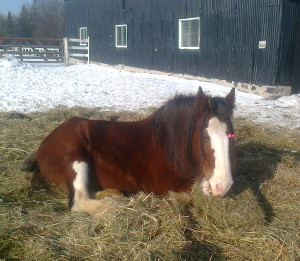 Winter happy horses? Want to provide your horse with good footing and a place to lie down this winter?
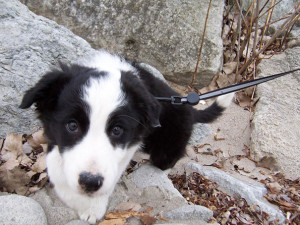 You see…I started out like everyone else. Feeding kibble and wet food to my dog and cat, sweet feed to my horse, I obediently vaccinated all my animals and dewormed with chemical wormers. I figured if I do it ALL well and follow what the experts are saying… listen to the Vets, the leading edge scientists and professionals my animals will be healthy and live a long and health life – right? Boy was I wrong…my animals were nothing but sick all the time…allergies, auto-immune disorders, full of fleas/worms, GI problems, kidney/liver problems…you name it. And it was costing me tons of money for Vet bills and worst of all, heartache! Some of my animals were strong enough to hang in while I ‘learned’ – others sadly passed away from my ignorance. I felt terribly bad but I didn’t know any better….As the years passed I started to dig a bit more…and try to mimic what nature would do – how would it feed my animals – how would it heal? It was about that time that I switched for working in the traditional medical field and attending Vet school to going natural – in EVERY way I could. Why? because the more I did…the more my animals healed. The closer to 180 degrees that I was making in the way I cared for them…I was noticing huge differences.
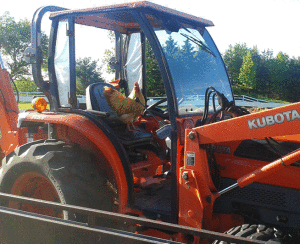 Roosters are VERY protective of their hens and their territory. They do an awesome job. If you have chickens I think a rooster makes life easier for them, and for you by keeping predators at bay (within their capabilities). They will protect their hens and literally sacrifice their life to do it. They spend their time looking for food for their chickens and watching the ground and skies for any trouble. They also keep hens in check so they don’t fight among each other too much. Roosters protect and keep the peace. So when do Roosters get into trouble?..well mostly when they turn their protective qualities on to humans. Roosters will go after things much bigger than they are…so no one hurts their family or them. Sometimes they will turn on to their human counterparts simply because they wore different clothes that they are not used to…so it may seem like they snapped but they are just misunderstood. Because Roosters can make wonderful and BEAUTIFUL pets as well as perfect pest control on any property I’m going to give a few tips on how to deal with their strange at times aggressive behavior. Firstly I’d like to say that our Roosters started out VERY friendly and then when matured become aggressive…just like with any other animal that needs training and guidance we took it upon ourselves to work through their behavior and make the environment they are in more peaceful so they don’t feel stressed. Now no one is aggressive towards me and some are even downright cuddly!
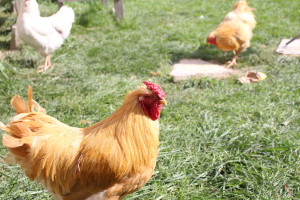 I think Roosters are funny animals with wonderful personalities that bring so much to a large yard or farm…in fact even if you don’t have hens and want to rescue a few Roosters as pets they are so worth it! They will keep your bug population down including get rid of ticks…we haven’t had much flies, ticks or mosquitoes near our horses since we allowed the Roosters to roam near them…so if you want a pesticide free bug control – maybe Roosters are the way to go for you. And if you already have them and they are a bit difficult…please remember they are just following their instincts and need direction and kindness like any other animal!
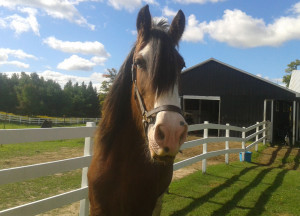 Okay…seeing this on a LOT of other groups and posts…and can’t say I really blame them because it seems like everyone was taught that if something can’t be fixed easily it must be a genetic flaw therefore un-fixable. Whether it be bad hips or teeth on a dog, poor conformation on a horse or bad behavior of any animal…it must be in their DNA! Well I have some wonderful news
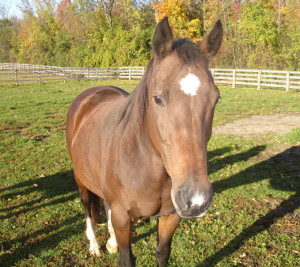 Many animals are indeed deficient but we must be VERY careful in supplementing things like Copper as too much can be toxic. And not supplementing properly in the correct ratio can also throw off other minerals such as Zinc. It is important to remember if we we are supplementing any vitamin or mineral not to do it for too long unless under supervision to make sure you don’t cause a toxicity by over supplementing as well…deficiency symptoms and toxicity ones LOOK THE SAME!